

Introduction
Switzerland consistently ranks among the world's most innovative nations. Despite its relatively small population, it has built an extraordinary reputation for scientific research, precision engineering, advanced manufacturing, pharmaceuticals, life sciences and deep technology. Institutions such as ETH Zurich and EPFL regularly feature among the world's leading universities, while Swiss companies continue to shape industries ranging from healthcare to robotics and industrial automation.
Yet Switzerland's innovation success is not built in isolation.
Innovation today is increasingly global. Scientific discoveries, entrepreneurial ventures and breakthrough technologies emerge through collaboration that spans countries, universities, industries and research institutions. Recognising this reality, Switzerland has spent the past two decades building an international network dedicated not to trade promotion alone, but to connecting innovation ecosystems across the world.
One of the most important pillars of this strategy is Swissnex.
While relatively less known outside academic and innovation circles, Swissnex has become an important bridge between Switzerland and India, facilitating collaborations among researchers, universities, startups, corporations and policymakers. Its work illustrates how innovation diplomacy has become an essential component of modern international relations.
Innovation Diplomacy: A New Dimension of International Relations
Traditionally, international engagement between countries centred around diplomacy, trade agreements and cultural exchanges. Today, another dimension has become equally important—innovation diplomacy.
Countries increasingly compete and collaborate to attract scientific talent, build research partnerships, accelerate technology commercialisation and create startup ecosystems capable of addressing global challenges. Innovation has become an instrument of foreign policy, economic development and long-term competitiveness.
Switzerland recognised this shift early.
Rather than relying solely on embassies or trade promotion organisations, it established a dedicated global network focused specifically on education, research and innovation. This network became Swissnex.
Unlike conventional diplomatic institutions, Swissnex does not negotiate treaties or promote exports. Instead, it connects people, institutions and ideas, creating opportunities for collaboration that often evolve into long-term partnerships.
Swissnex represents a new model of international engagement—one focused not on trade or diplomacy alone, but on creating long-term collaboration between researchers, universities, entrepreneurs, innovators and policymakers across borders.
Why India Has Become a Strategic Innovation Partner
Over the past fifteen years, India's position within the global innovation landscape has changed dramatically.
The country has emerged as one of the world's largest startup ecosystems, developed internationally recognised digital public infrastructure, expanded its capabilities in artificial intelligence, biotechnology, space technology and semiconductor research, and become home to thousands of Global Capability Centres (GCCs) supporting multinational innovation.
For Switzerland, India is no longer viewed simply as a large consumer market or manufacturing destination. It has become a strategic partner for research, technology development and entrepreneurship.
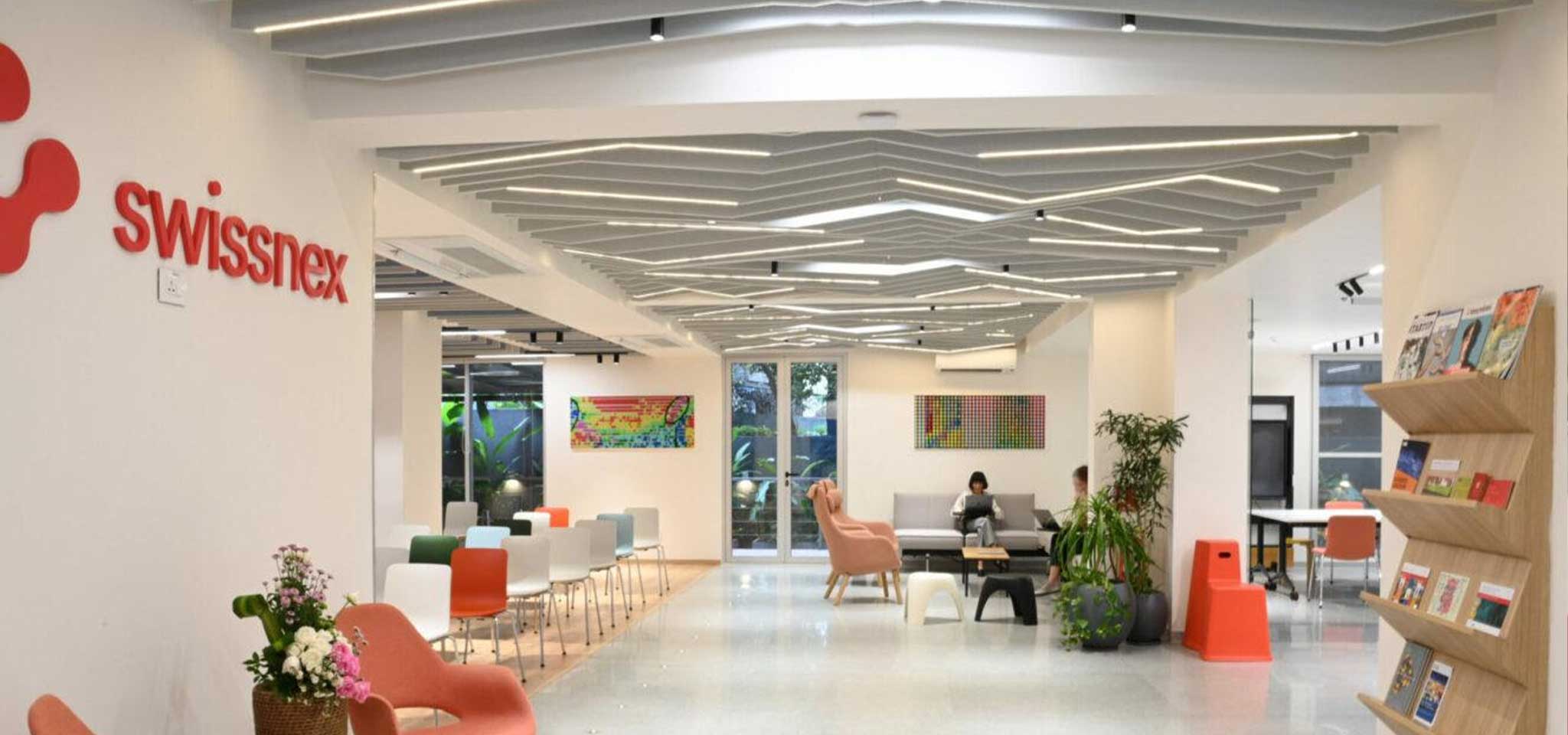
This evolving relationship explains why Swissnex established its India office in Bengaluru in 2010.
The choice was deliberate. Bengaluru offers an exceptional concentration of research institutions, technology companies, venture capital firms, multinational R&D centres and startups. It provides an ideal environment for building meaningful connections between Swiss innovators and India's rapidly expanding knowledge economy.
What Exactly Is Swissnex?
One useful way to understand Swissnex is to think of it as Switzerland's innovation bridge to the world.
It is neither a traditional embassy nor a trade promotion office. Instead, Swissnex operates at the intersection of education, research, entrepreneurship and innovation. Its mission is to identify opportunities where Swiss and international organisations can learn from one another and collaborate to solve common challenges.
Swissnex operates under the umbrella of Switzerland's State Secretariat for Education, Research and Innovation (SERI) while working closely with the Federal Department of Foreign Affairs (FDFA). Together, they support Switzerland's broader objective of maintaining strong international connections across science, education and innovation.
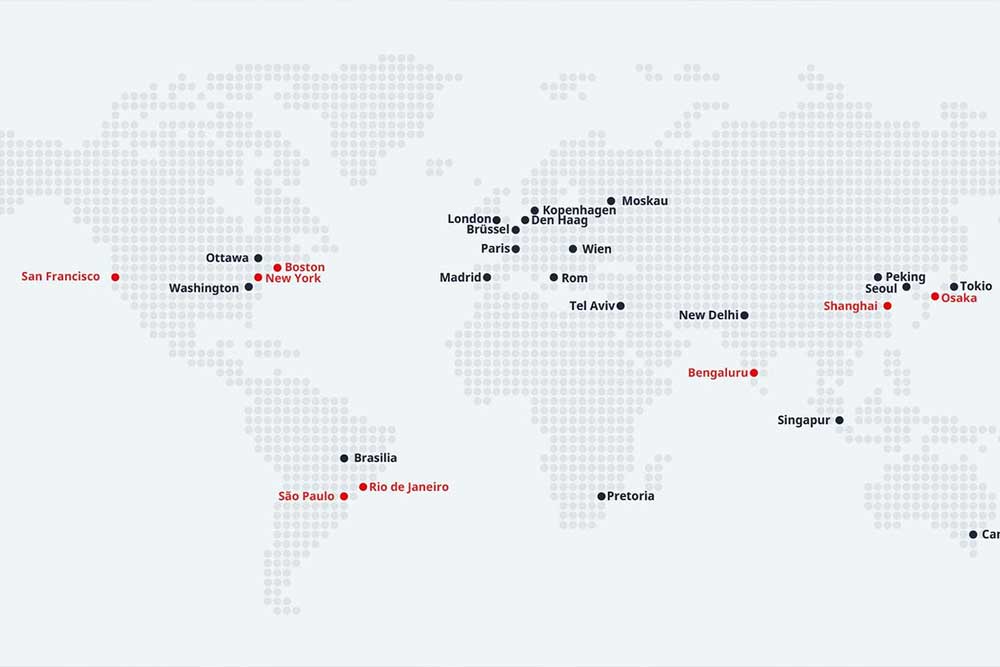
Today, Swissnex maintains dedicated hubs in several leading innovation ecosystems around the world, including the United States, Brazil, China, Japan and India, complemented by Science & Technology Offices located within Swiss embassies.
Swissnex operates across multiple global innovation hubs, connecting Switzerland with leading research institutions, startups, universities and technology ecosystems. Its focus is not on trade promotion alone, but on building long-term international innovation partnerships.
Building Bridges Across the Innovation Ecosystem
Perhaps the most distinctive aspect of Swissnex is that it does not focus on a single stakeholder group.
Instead, it operates across the entire innovation ecosystem.
For universities and research institutions, Swissnex facilitates academic collaborations, joint research initiatives and exchanges between faculty members and students. These relationships often create opportunities for long-term scientific cooperation that extend well beyond individual projects.
For startups, Swissnex provides structured exposure to new markets. Rather than simply organising networking events, it helps founders understand local ecosystems, validate market opportunities, connect with potential partners and engage with investors. This approach reduces uncertainty for early-stage companies seeking international expansion.
Corporations and industry associations also benefit from Swissnex's ecosystem knowledge. As technologies increasingly emerge through collaboration between startups, universities and established industry, organisations require trusted partners capable of navigating multiple stakeholder groups. Swissnex often plays precisely this convening role.
The organisation therefore acts less as a service provider and more as an ecosystem orchestrator, bringing together participants who might otherwise never have discovered one another.
More Than Startup Support
Much of the public attention surrounding Swissnex focuses on startup programmes, but its contribution extends considerably further.
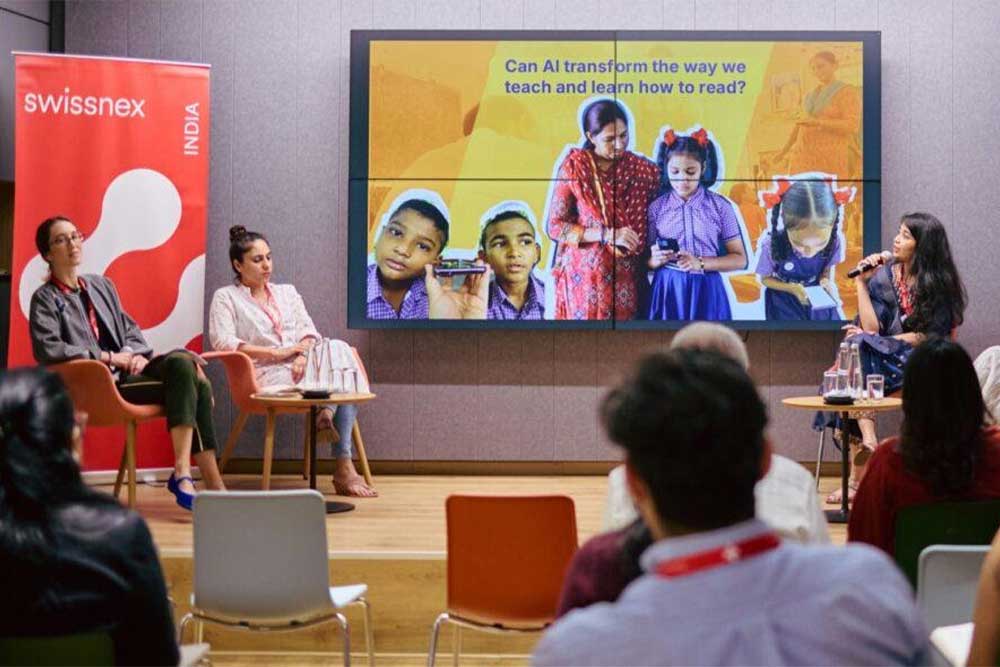
Its activities span areas including scientific exchange, higher education partnerships, innovation policy dialogues, technology foresight and ecosystem intelligence. It regularly convenes conversations around emerging fields such as digital health, sustainability, artificial intelligence and climate technologies—areas where both India and Switzerland possess complementary strengths.
This broader perspective reflects an important principle of innovation ecosystems: successful innovation rarely emerges from startups alone. It requires sustained interaction between academia, government, industry, investors and entrepreneurs. Swissnex exists precisely to strengthen these connections.
"Successful innovation ecosystems are built through collaboration between universities, startups, corporations, investors and governments—not by any one stakeholder working in isolation."
Swissnex Within the Larger Swiss Innovation Ecosystem
One of the strengths of Switzerland's innovation model is that no single organisation operates in isolation.
Swissnex forms part of a wider ecosystem that includes organisations such as Innosuisse, Switzerland's national innovation agency; Switzerland Innovation, which supports innovation parks and industry collaboration; leading universities including ETH Zurich and EPFL; the Swiss National Science Foundation (SNSF); and the Swiss Business Hub India, which focuses on trade and investment promotion.
Each organisation performs a distinct role, yet together they create an integrated framework supporting research, entrepreneurship, commercialisation and international collaboration.
Understanding Swissnex therefore provides a useful entry point into understanding Switzerland's broader innovation strategy.
The Indo-Swiss Innovation Platform and the Road Ahead
Recent years have witnessed further momentum in Indo-Swiss collaboration.
The launch of the Indo-Swiss Innovation Platform reflects a growing emphasis on long-term cooperation in areas such as healthcare, sustainability and digital transformation. At the same time, the India–EFTA Trade and Economic Partnership Agreement (TEPA) has reinforced the strategic importance of deeper economic and technological engagement between India and Switzerland.
These developments suggest that future collaboration will increasingly extend beyond trade into joint innovation, research commercialisation and deep technology partnerships.
Organisations like Swissnex will continue to play an important enabling role by helping institutions identify opportunities and build trusted relationships across borders.
Why This Matters for Indian Entrepreneurs and Businesses
For founders, researchers and innovation-driven companies in India, Swissnex represents more than another international organisation.
It offers a gateway into one of the world's most sophisticated innovation ecosystems.
Whether the objective is academic collaboration, technology partnerships, startup internationalisation or research cooperation, understanding organisations such as Swissnex India can significantly reduce the barriers to engaging with Switzerland.
Likewise, Swiss companies seeking to understand India's rapidly evolving innovation landscape benefit from Swissnex's local knowledge, networks and ecosystem insights.
In many ways, Swissnex demonstrates that successful international partnerships are built not merely through transactions, but through relationships developed over time.
Swissnex demonstrates that innovation ecosystems thrive when universities, researchers, entrepreneurs, investors and policymakers collaborate across borders. By acting as a trusted connector, it helps transform ideas into long-term international partnerships.
Final Thoughts
One recurring theme across the Indo-DACH innovation landscape is that meaningful cross-border collaboration rarely happens by chance.
Behind many successful partnerships are organisations that quietly connect institutions, entrepreneurs, researchers and policymakers long before commercial outcomes become visible.
Swissnex is one such organisation.
While it may not receive the same public visibility as trade promotion agencies or investment offices, its contribution lies in building the trust, networks and collaborative frameworks that make long-term innovation partnerships possible.
As India and Switzerland continue strengthening ties in research, entrepreneurship, advanced manufacturing, life sciences and deep technology, organisations such as Swissnex are likely to become even more important in shaping the future of Indo-Swiss innovation.
Indo-DACH Perspective
At Indo-DACH Business Services, we believe that successful international partnerships begin with a clear understanding of the ecosystems that shape them. Through our articles, research and market intelligence, we aim to make the innovation landscapes of Germany, Austria, Switzerland and India more accessible to entrepreneurs, researchers, investors and businesses on both sides.
Rather than focusing solely on organisations in isolation, our objective is to explain how these institutions interact, where opportunities emerge and how cross-border collaboration can be translated into meaningful business and innovation outcomes.
Useful Resources
- Swissnex India
- Swissnex Global Network
- State Secretariat for Education, Research and Innovation (SERI)
- Swiss Business Hub India
- India–EFTA Trade and Economic Partnership Agreement (TEPA)
- Consulate General of Switzerland in Bengaluru
Editorial Disclaimer
This article is published for informational and educational purposes only. Indo-DACH Business Services is an independent advisory and knowledge platform and is not affiliated with, endorsed by, or acting on behalf of Swissnex, the Swiss Confederation, the State Secretariat for Education, Research and Innovation (SERI), the Swiss Embassy in India, or any other organisation mentioned in this article. All trademarks, logos and organisation names remain the property of their respective owners. References are based on publicly available information available at the time of publication.